May 13 marks a special day in Nova Scotia's rich tapestry of history — Port Mouton Day.
The Arrival of Champlain
On this day in 1604, French explorers Samuel de Champlain and Sieur de Monts made landfall here while mapping the rugged coastline of what is now Atlantic Canada. As legend goes, an eager sheep aboard their ship leapt into the ocean and swam to shore, leading the explorers to name the spot Port Mouton — meaning "Sheep Port" in French.
But the story doesn't begin there.
Wologumk: The Mi'kmaq Legacy
Long before European arrival, this land was known to the Mi'kmaq people as Wologumk, meaning "deep gully or hole in the river." For generations, the Mi'kmaq lived, traveled, and thrived along this coastline, and their legacy continues to shape the identity of the region today.
Honoring Both Histories
Today, we honor both of these legacies — the maritime journeys that brought new names to our shores, and the deep Indigenous roots that have always been here.
Introducing the Champlain Centre
In recognition of these rich histories, we are proud to announce the opening of the Champlain Centre, a new event space in the heart of Port Mouton. The Centre is a place where history meets hospitality — offering a venue for cultural gatherings, storytelling events, and shared learning.
Visit Port Mouton
Located along Highway 103, approximately 15 minutes west of Liverpool, Port Mouton offers a unique blend of natural beauty and historical significance. Visitors are invited to explore its picturesque beaches, engage with its rich cultural heritage, and experience the enduring spirit of this coastal community.
Whether you're a student of history, a lover of nature, or simply traveling the scenic Lighthouse Route, Port Mouton extends a gracious welcome rooted in centuries of tradition.
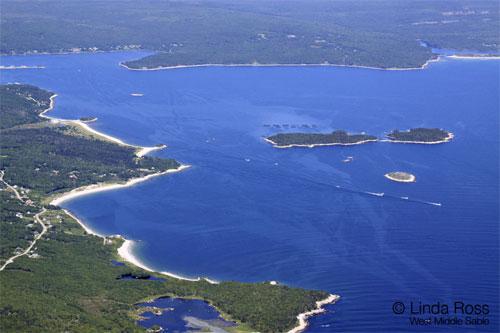
Featured Photo: Port Mouton Bay by Linda Ross